 01
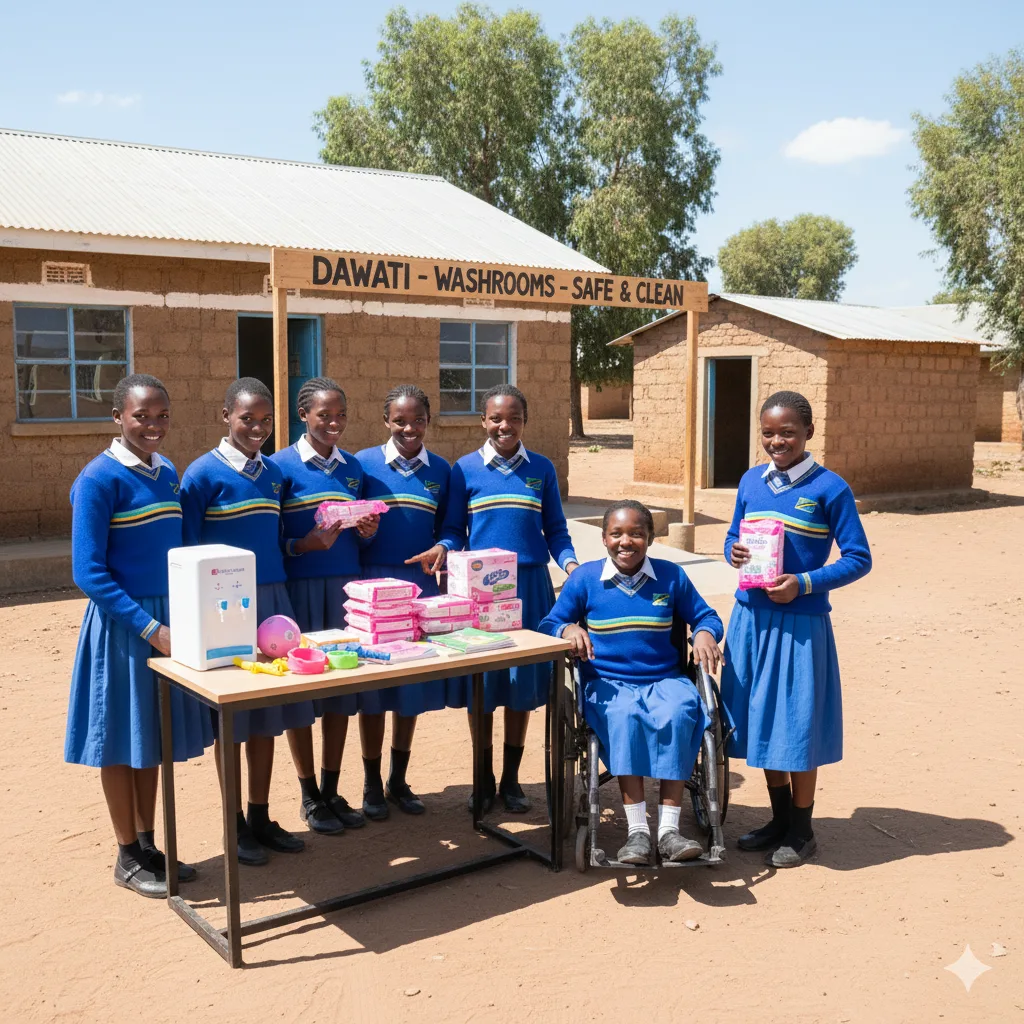
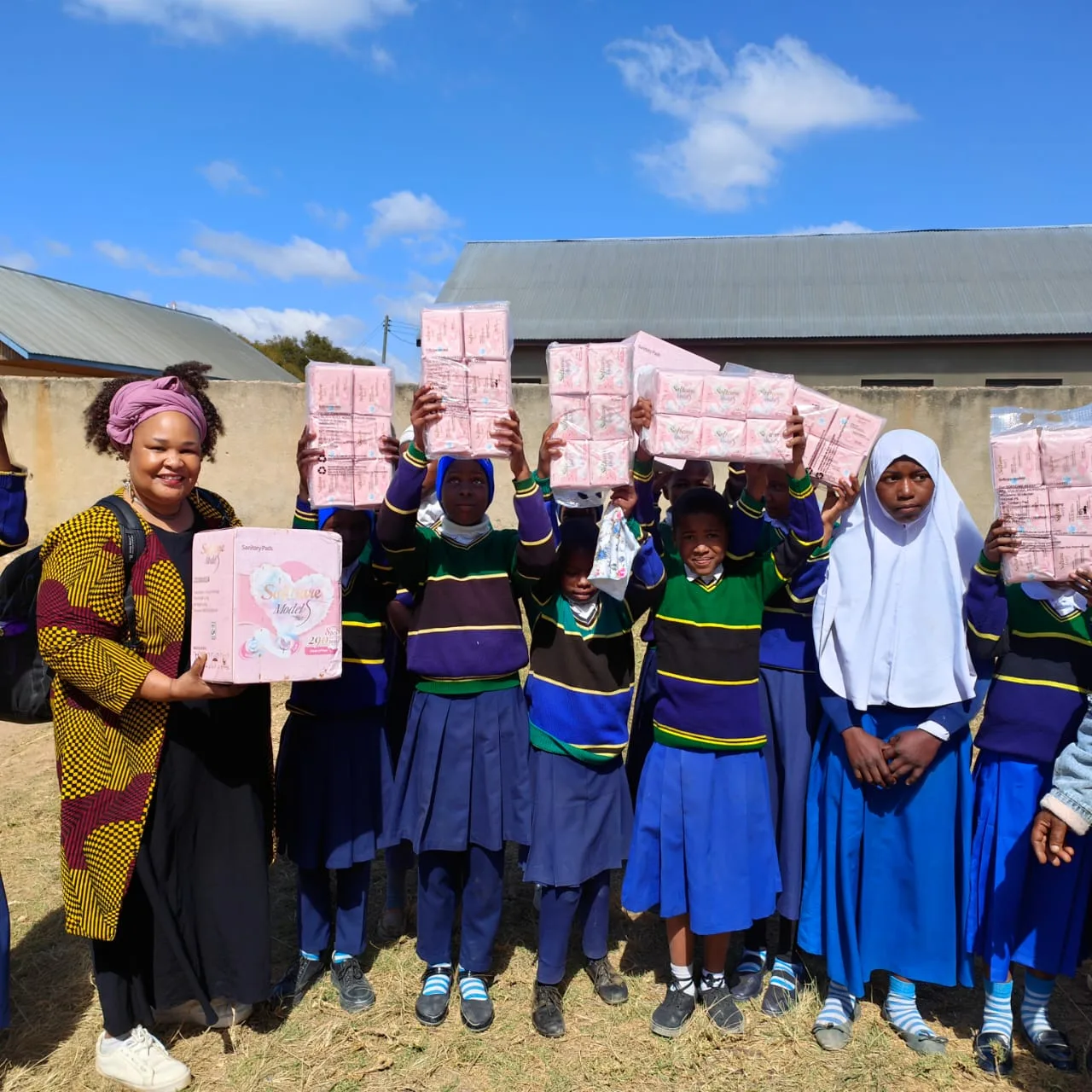
01Safe menstrual products and accessible WASH facilities in schools.
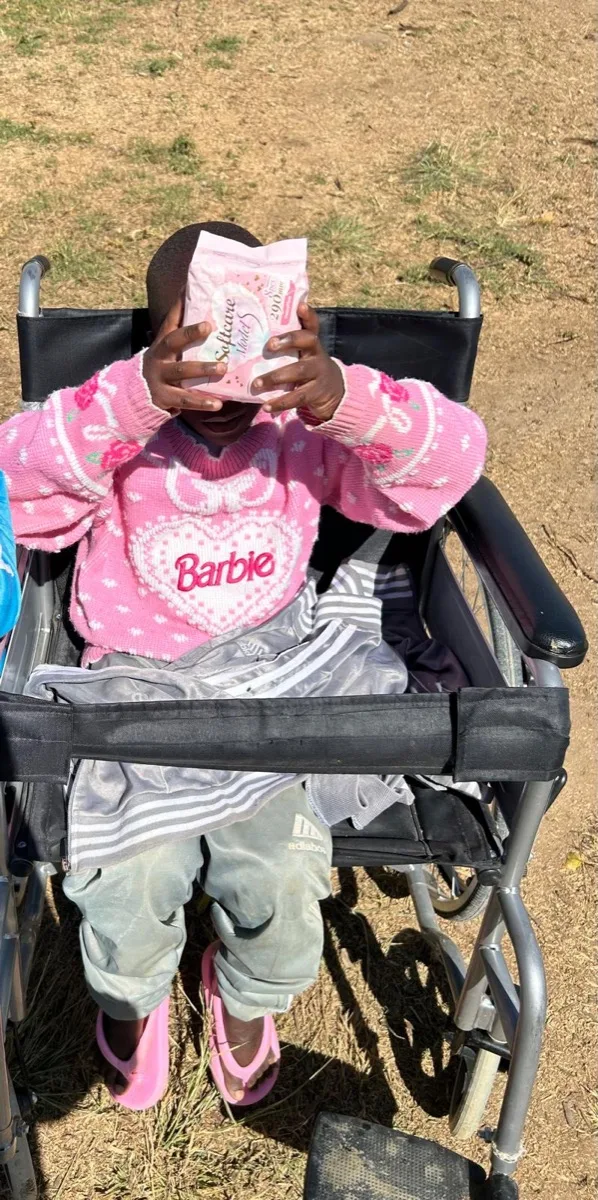
SHE Foundation Tanzania promotes menstrual health and dignity for girls with disabilities, advancing access, education, and inclusion in communities too often left behind.
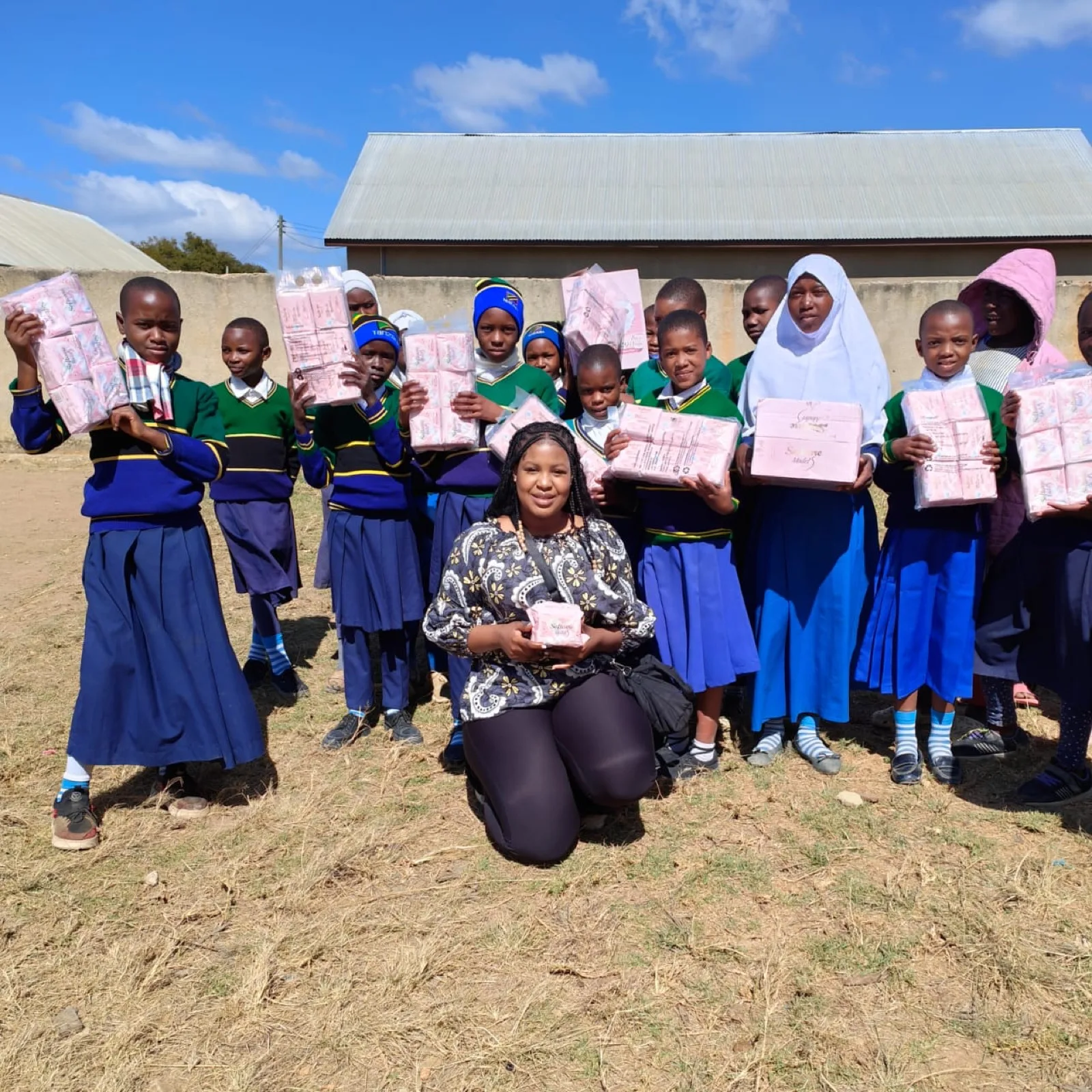
SHE Foundation stands for Social Impact, Health Care and Education. We are a legally registered NGO dedicated to ensuring no girl is left behind due to a lack of menstrual health support, with a particular focus on girls with disabilities.
It began in 2013, when our founder’s mother, a child-protection and human-rights advocate, visited a special needs school in Iringa and witnessed first-hand the barriers disabled girls faced in managing their periods. What started as personal donations of pads, wheelchairs, and school materials has grown into a national mission.
Our full story ↗“Inclusion is not a promise for tomorrow. It is a responsibility we carry today.”SHE Foundation Tanzania
We work alongside communities, schools, government, and partners across five regions to guarantee menstrual dignity and inclusive education.
01Safe menstrual products and accessible WASH facilities in schools.
 02
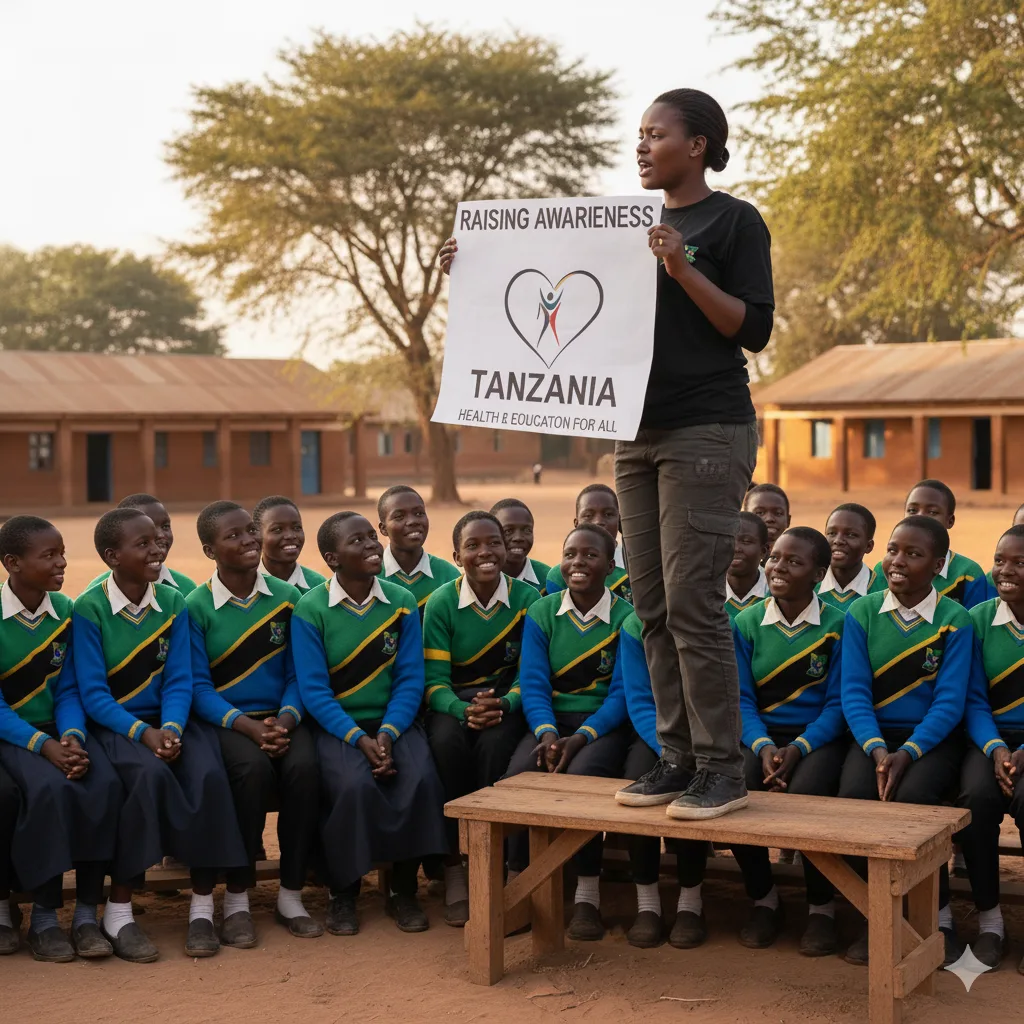
02Community outreach and education that dismantles stigma.
 03
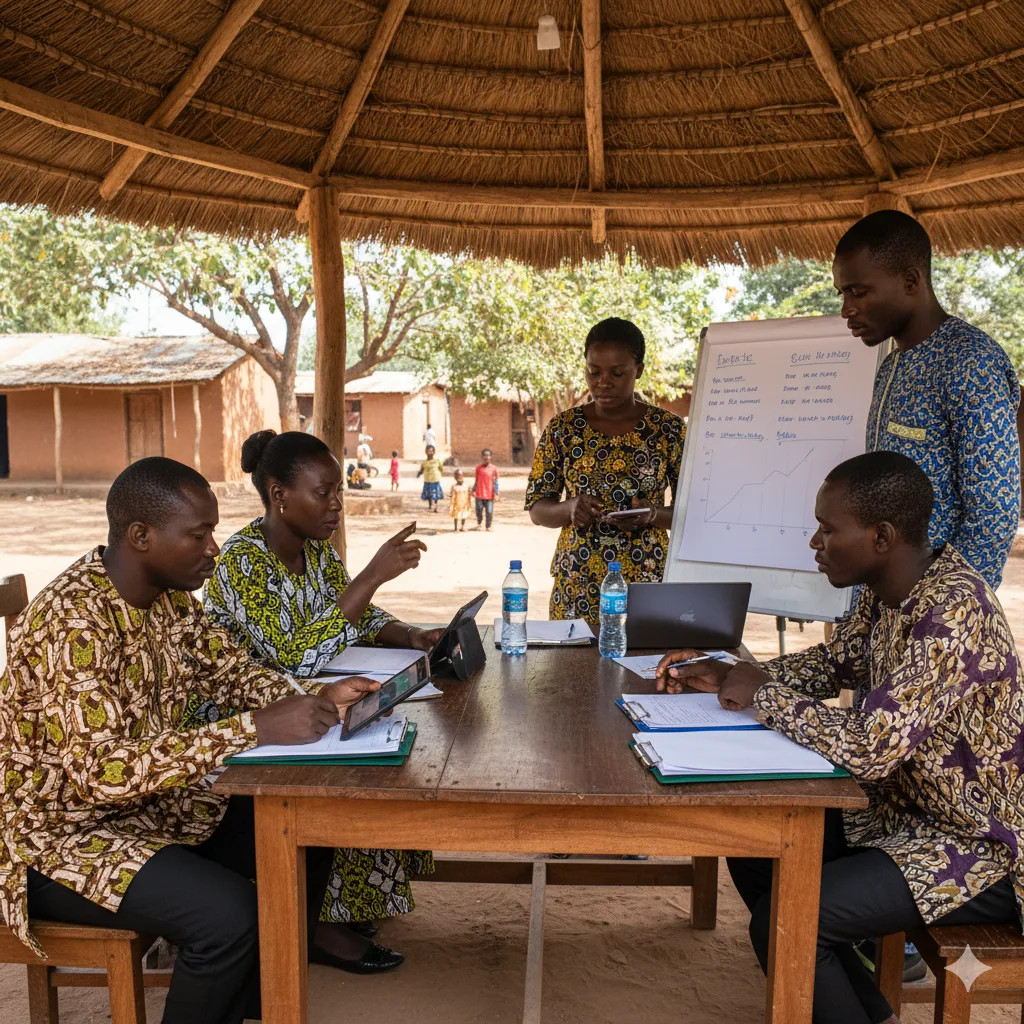
03Training, mentorship, and advocacy that build confidence and dignity.
 04
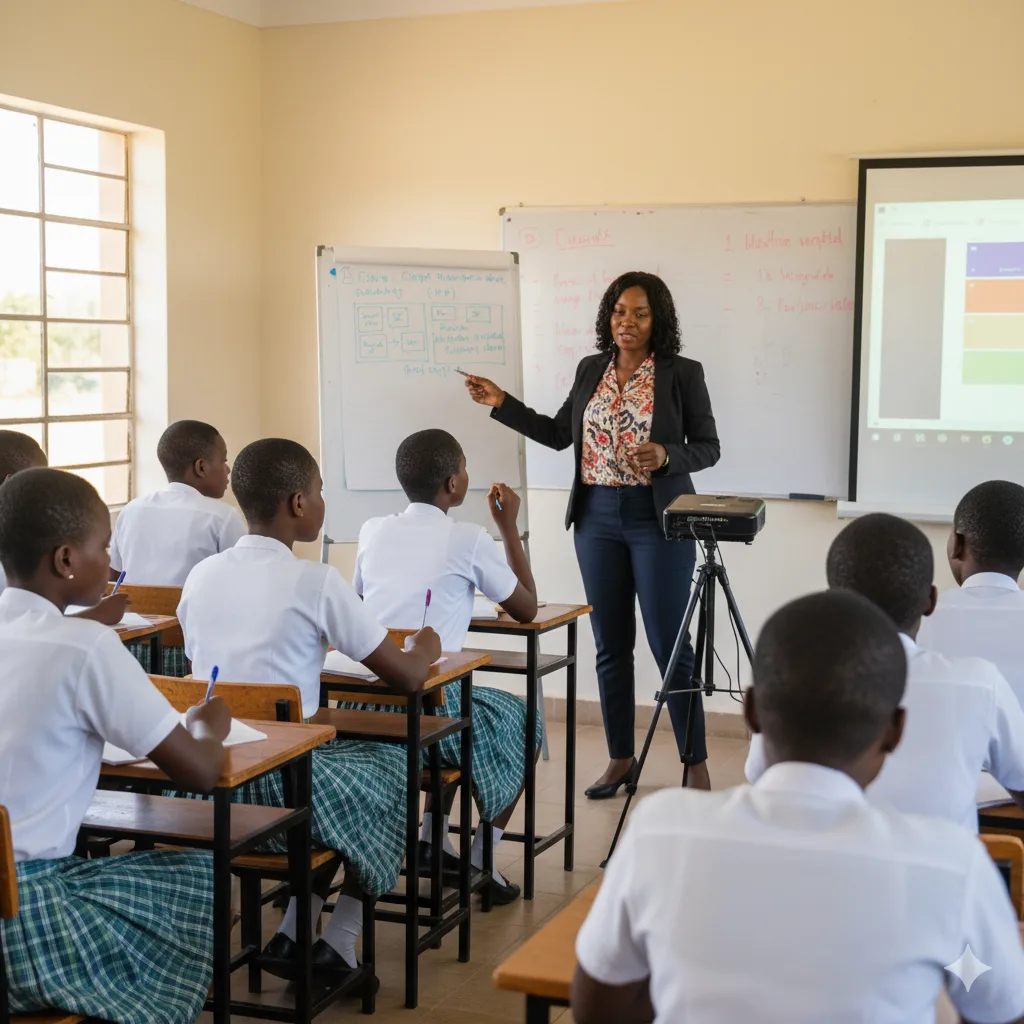
04Inclusive training handbooks for schools, volunteers, and parents.
We work alongside communities, schools, government, and partners across five regions to guarantee menstrual dignity and inclusive education.
Limited access to products, private facilities, and inclusive support creates real barriers to learning, especially for adolescent girls with disabilities.
had no private changing rooms or clean toilets
NIMR, 2021feared embarrassment from leaking
NIMR, 2021missed school during their cycle
UNICEFmissed school due to lack of pads
UNICEFA visit to a special needs school in Iringa revealed the barriers disabled girls face in managing their periods.
SHE Foundation became a legally registered NGO in Tanzania, formalising a growing national mission.
We work across Iringa, Njombe, Mbeya, Morogoro, Songwe, and Dar es Salaam, with government, schools, and partners.
Partner with us to make menstrual health and inclusive education possible for every girl.